


Using a "Demand-Responsiveness" coordinate axis, Katherine clearly analyzed four common family education patterns:
Authoritarian Style: High demand, low responsiveness. Emphasizes rules over emotions, often resulting in obedient but indecisive children, potentially leading to intense rebellion during adolescence.
Neglectful Style: Low demand, low responsiveness. Children may appear independent but lack direction and a sense of responsibility, with behaviors tending to be undisciplined.
Permissive (Indulgent) Style: Low demand, high responsiveness. Child-centered, with excessive catering and protection, often leading to self-centeredness and poor resilience to setbacks.
Democratic (Authoritative) Style: High demand, high responsiveness. This is the model Katherine most advocates. It establishes clear boundaries and frameworks while fully attending to and responding to the child's emotional needs, thereby fostering confident, responsible, and independently thinking children.
Addressing the unique challenges of adolescence, Katherine analyzed them from both physiological and psychological perspectives:
Physiologically: The prefrontal cortex (the rational brain) is not yet fully developed in adolescents, while the amygdala (the emotional brain) is exceptionally active. This means they are prone to emotional outbursts, impulsivity, and lack rational foresight of consequences—a normal phenomenon of brain development at this stage.
Psychologically: The core developmental task of adolescence is establishing "role identity"—resolving the conflict between "who I think I am" and "who others think I am." They place extreme importance on peer evaluation and seek independence to explore and establish their self-identity and values. The confusion and clashes during this phase are a necessary part of growth.
The Art of Listening: Put down your phone, maintain open and focused body language, and create a safe, non-judgmental environment for sharing. Katherine emphasized, "When a parent can become a stable 'container,' half of the child's emotional turmoil is already dissolved."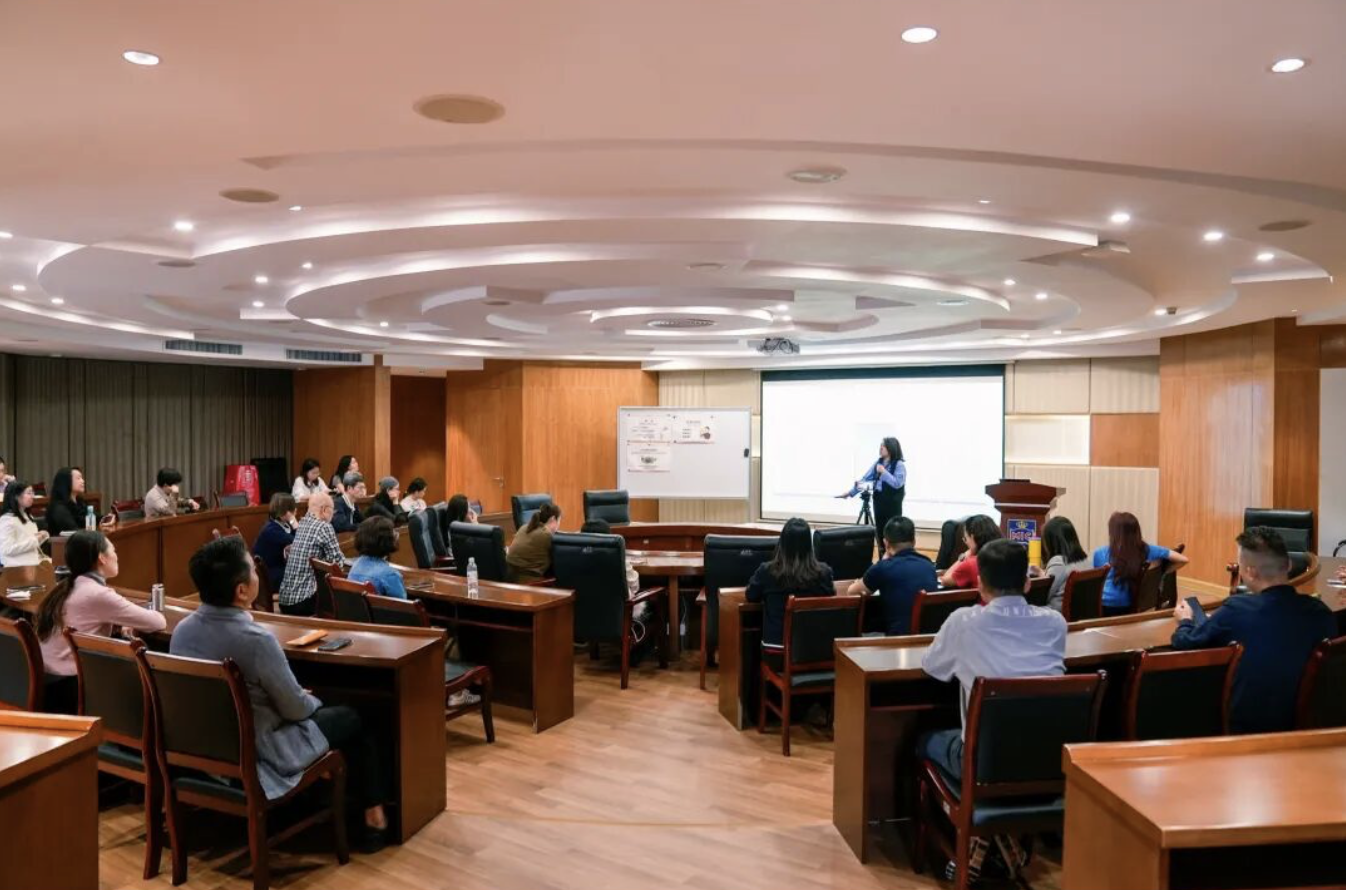
The Art of Responding: Use paraphrasing and empathy effectively. First, restate what the child said to show you've heard them, then say, "I understand you feel..." Let the emotion be seen and accepted before guiding a discussion toward solutions.
Kindness: Unconditionally accept the child's emotions and maintain the emotional connection.
Firmness: Be clear and consistent regarding principles and boundaries, without needing to enforce them through yelling or compromise.
Establish Family Meetings: Create a formal, equal platform for family communication.
Allow Experience of "Natural and Logical Consequences": Within safe limits, let children face the natural results of their actions (e.g., catching a cold from not dressing warmly) or logical consequences (e.g., facing agreed-upon restrictions for breaking rules). This is the lowest-cost way to learn responsibility and accountability.
Parents Present a United Front, Avoid "Good Cop/Bad Cop": Inconsistent standards confuse children and teach them to exploit loopholes.
Katherine concluded by reminding parents that education is a continuous process of self-awareness and growth. Parents need to manage their own anxiety, avoid bringing their professional roles into the home, and certainly not make their child a "rival" to prove their own authority. The parental role should be that of a "container" and "supporter" for the child's growth, providing solid support and emotional nourishment from below, rather than applying pressure from above.
The live session concluded amidst lively interaction and reflection from parents. With her professional knowledge, rich case studies, and warm empathy, Katherine not only decoded many puzzles of adolescent family education but also illuminated a practical path for building nurturing parent-child relationships. The essence of education is a practice in understanding. When we genuinely begin to try to "understand" our children, the "love" that was always there begins to shine with the light that guides growth.